November 25, 2026
How to Choose the Right Helicopter Tour Over Niagara Falls, Canada
By @besthelicoptertourniagaradaily
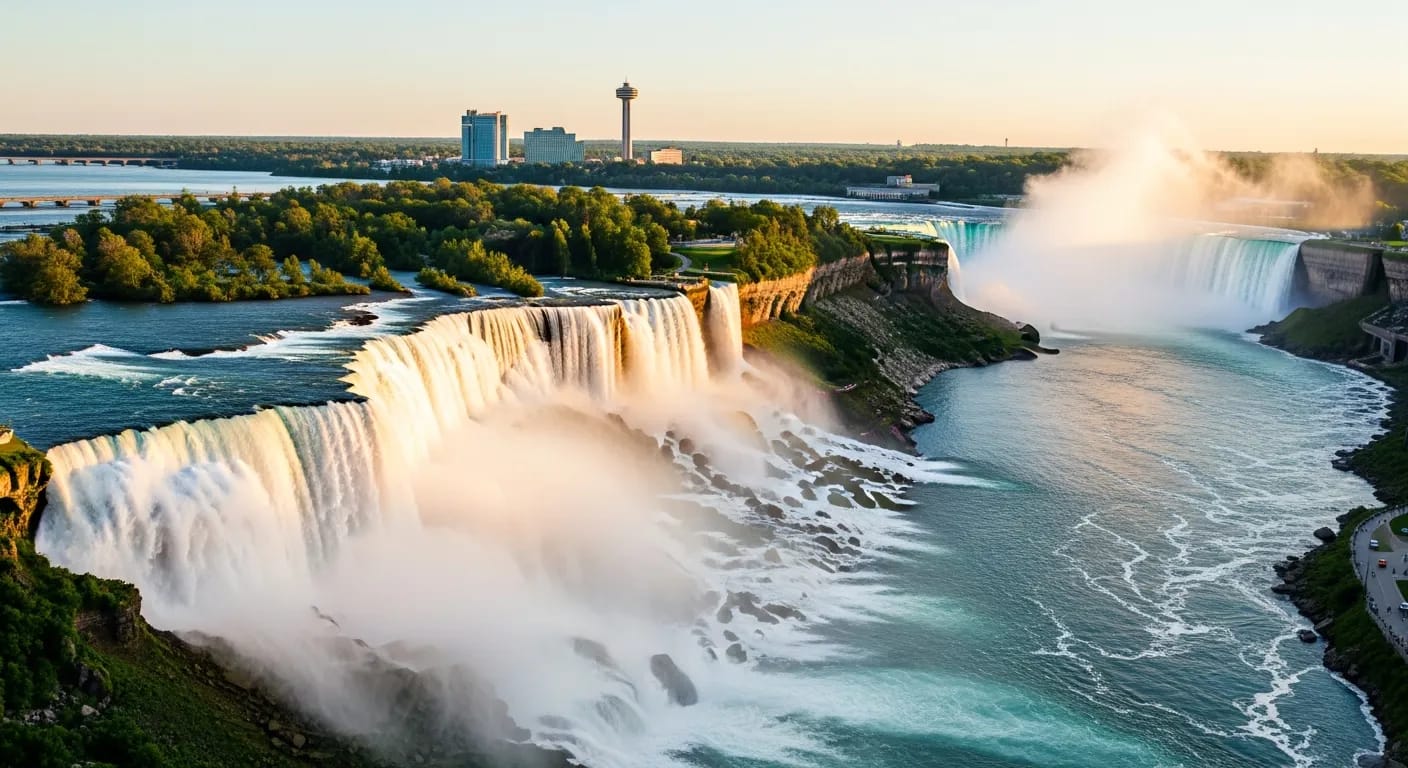
Seeing Niagara Falls from the air is a completely different experience. The sound of the water, the spray rising from the gorge, and the scale of the Horseshoe Falls become real in a way that a boat ride or a viewpoint cannot match. But with several operators offering flights from both the Canadian and American sides, picking the one that fits your day can feel like a puzzle. You want a flight that gives you the best views, runs on time, and matches your budget. The good news is that the search is straightforward once you know what to check.
This article walks through the practical steps to find the best helicopter tour niagara falls canada. The process involves a few clear decisions: how long you want to be in the air, what kind of aircraft you will ride in, where the flight departs from, and what the booking terms are. Each step has a few things to watch for, and knowing them saves you from disappointment at the counter.
Step 1: Decide on Flight Duration and Route
Helicopter tours over the falls vary in length from a short 10-minute loop to a longer 20-minute or 30-minute flight that covers more of the Niagara River. The short flights typically take you right over the Horseshoe Falls and the American Falls, then turn back. That is enough to see the main spectacle, and it leaves time for other activities in the area.
If you want to see the Whirlpool Rapids and the stretch of river downstream, a longer flight is worth the extra cost. The extra minutes let the pilot fly a wider arc so you get views of the Niagara Glen and the rapids from above. The trade-off is that longer flights mean fewer departure slots, so you may have to book further in advance. A practical tip: check the route description on the operator's website. Some longer flights spend more time over the river and less time directly above the falls. If the main goal is the falls themselves, a shorter flight is often the better match.
Step 2: Check the Helicopter Model and Seat Configuration
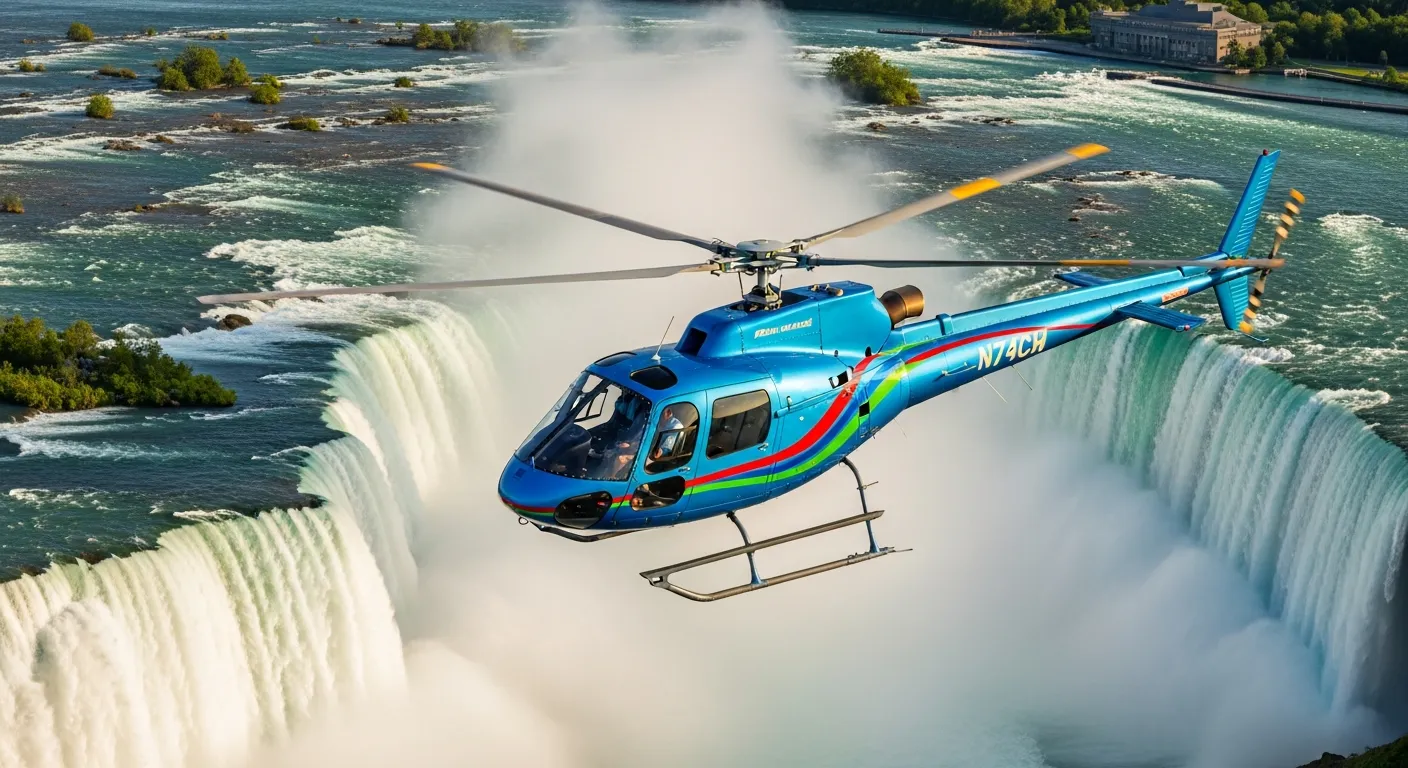
The type of helicopter used affects your view more than you might expect. Most tours use models like the Bell 206 or the Robinson R44. These are reliable and common, but they have different seating layouts. The Bell 206 often has two seats in the front and two or three in the back. The front seats give a wide view through the windshield, while the back seats have side windows that let you look straight down at the water.
The Robinson R44 has four seats in a compact cabin. Every seat has a window, but the rear seats can feel tight if you are tall. The key thing is to ask whether the operator offers a "window seat guarantee" or if seats are assigned on a first-come, first-served basis. If you are travelling with a group, you can often request a specific seat arrangement when you book. The helicopter model matters less for the flight itself, but it matters for your personal comfort and photo opportunities.
Step 3: Verify Departure Location and Access
Helicopter tours depart from a few heliports near the falls. The main departure point on the Canadian side is close to the Niagara Fallsview Casino Resort and the Fallsview Tourist Area. That spot is easy to reach by car, and most operators offer free parking. The American side has a heliport near the Niagara Falls State Park. The two locations give different vantage points during the flight.
If you are staying on the Canadian side, a tour departing from the Canadian heliport saves you the border crossing. The flight path from the Canadian side usually goes directly over the Horseshoe Falls first, then crosses the river to the American side. From the American side, the flight often starts toward the American Falls and then crosses to the Canadian side. The difference is small, but if you have a strong preference for seeing one side first, check the route description or call ahead.
Another practical point: check the operating hours. Most tours run from late morning until early evening, but in summer months some operators extend the schedule to catch sunset flights. Evening flights have a different atmosphere. The falls are lit with coloured lights, and the sky turns orange over the river. That can be a memorable experience, but the visibility for photography is lower. Decide what matters more to you.
Step 4: Review the Booking and Cancellation Policy
Helicopter tours are weather-dependent. Fog, high winds, or rain can ground flights. A good operator will offer a full refund or a reschedule if the flight is cancelled due to weather. Some operators have a no-refund policy if you cancel for personal reasons, even if you give notice. Read the fine print before you pay. The best helicopter tour niagara falls canada operators make their cancellation terms clear on the booking page.
Also check the weight and baggage policy. Most helicopters have weight limits per seat, and the total weight of passengers and luggage affects the fuel and balance. If you are carrying a large camera bag or a backpack, you may need to leave it in a locker. Some operators provide secure storage. Others do not. It is one of those small details that can cause a headache at the gate.
Step 5: Listen for the Safety Briefing
Before any flight, the operator gives a safety briefing. It covers how to fasten the seatbelt, how to use the headset for communication with the pilot, and where the emergency exits are. Pay attention even if you have flown before. The briefing also explains how to avoid bumping the rotor blades when approaching or leaving the helicopter. That is a real hazard, and the crew will point out the safe walkway to the aircraft.
If the briefing seems rushed or the staff do not explain the procedures clearly, consider that a warning sign. A professional crew takes the time to make sure everyone understands. The briefing is also the right moment to ask about the flight path and any points of interest the pilot will highlight during the ride.
Step 6: Think About the Time of Year and Time of Day
The experience changes dramatically with the seasons. In summer, the water flow is at its peak, and the mist from the falls can obscure the view for a few seconds as you fly through it. In winter, the falls freeze partially, and the surrounding landscape is white. The flights run year-round, but winter flights are colder inside the cabin, and the windows can fog up. Many operators provide blankets or heated cabins, but it is worth asking.
Spring and autumn offer milder weather and fewer crowds. The autumn colours along the Niagara River are striking from the air. The trade-off is that the days are shorter, so you have a narrower window for daylight flights. If you want a sunset slot, book well in advance during those shoulder seasons.
Time of day matters for the light. Midday sun creates harsh shadows, but it also makes the water sparkle. Early morning flights have softer light and less wind, so the ride is smoother. Late afternoon light gives a warm glow on the rock faces. If photography is a priority, aim for a flight within an hour of sunrise or sunset.
Step 7: Compare the Overall Value
Once you gather the details for a few operators, compare them side by side. Look at the flight duration, the helicopter model, the seat guarantee, the departure location, and the cancellation policy. The cheapest option is not always the best if it has a strict cancellation policy or a cramped seating layout. Conversely, the most expensive tour may include extras like a longer flight or a guaranteed window seat that make it worth the premium.
A good way to compare is to make a short list of three operators, then call each one with the same questions: how long is the flight exactly, what helicopter model do you use, can I choose my seat, and what happens if the weather turns bad? The answers will tell you which operator is transparent and which one is vague. The one that answers clearly and confidently is the one to book.
Choosing the right helicopter tour over Niagara Falls in Canada comes down to matching your expectations with the details of the flight. Duration, aircraft, departure point, booking terms, and safety practices all play a part. Once you check those steps, you can book with confidence and enjoy the view.
❧